

The Kathmandu Valley, nestled in the heart of Nepal, is a treasure trove of ancient architecture, spirituality, and culture. Recognized by UNESCO, the valley is home to seven World Heritage Sites that reflect centuries of artistic brilliance, religious devotion, and urban sophistication.
Whether you’re a traveler, a history enthusiast, or a cultural explorer, discovering the UNESCO World Heritage Sites of Kathmandu Valley offers a deep dive into the vibrant past and spiritual soul of Nepal.
Table of Contents
🗺️ List of UNESCO World Heritage Sites in Kathmandu Valley
UNESCO collectively inscribed seven monuments within the Kathmandu Valley as one heritage property in 1979:
- Kathmandu Durbar Square
- Patan Durbar Square
- Bhaktapur Durbar Square
- Swayambhunath Stupa (Monkey Temple)
- Boudhanath Stupa
- Pashupatinath Temple
- Changu Narayan Temple
🏛️ 1. Kathmandu Durbar Square
Located in the heart of the capital, Kathmandu Durbar Square was once the royal palace of the Malla kings. It’s adorned with courtyards, temples, and intricate woodwork.
Highlights:
- Taleju Temple (16th century)
- Hanuman Dhoka Palace
- Kumari Ghar (home of the Living Goddess)
📍 Location: Basantapur, Kathmandu
⏳ Time Required: 1–2 hours
🏯 2. Patan Durbar Square
Also known as Lalitpur, Patan is famed for its rich Newari architecture. The square is a hub of ancient palaces, stone baths, and religious monuments.
Highlights:
- Krishna Mandir (Shikhara style)
- Patan Museum (top-rated in South Asia)
- Hiranya Varna Mahavihar (Golden Temple)
📍 Location: Lalitpur
⏳ Time Required: 2–3 hours
🏰 3. Bhaktapur Durbar Square
Step back in time in Bhaktapur, a medieval city where temples, courtyards, and palaces reflect authentic Newari craftsmanship.
Highlights:
- 55-Window Palace
- Vatsala Temple and Bell of Barking Dogs
- Nyatapola Temple (5-tiered pagoda)
📍 Location: Bhaktapur
⏳ Time Required: 2–3 hours
🐒 4. Swayambhunath Stupa (Monkey Temple)

A symbol of unity among Buddhists and Hindus, this ancient stupa offers panoramic views of Kathmandu Valley.
Highlights:
- White-washed dome with golden spire
- Hundreds of monkeys roaming freely
- Peaceful prayer wheels and stone shrines
📍 Location: Western hill of Kathmandu
⏳ Time Required: 1–2 hours
🕉️ 5. Pashupatinath Temple
One of the holiest Hindu temples dedicated to Lord Shiva, Pashupatinath is a sacred site with open-air cremation ghats along the Bagmati River.
Highlights:
- Pagoda-style temple architecture
- Hindu cremation rituals
- Only Hindus allowed inside main temple (foreigners can view from outside)
📍 Location: East Kathmandu
⏳ Time Required: 1–2 hours
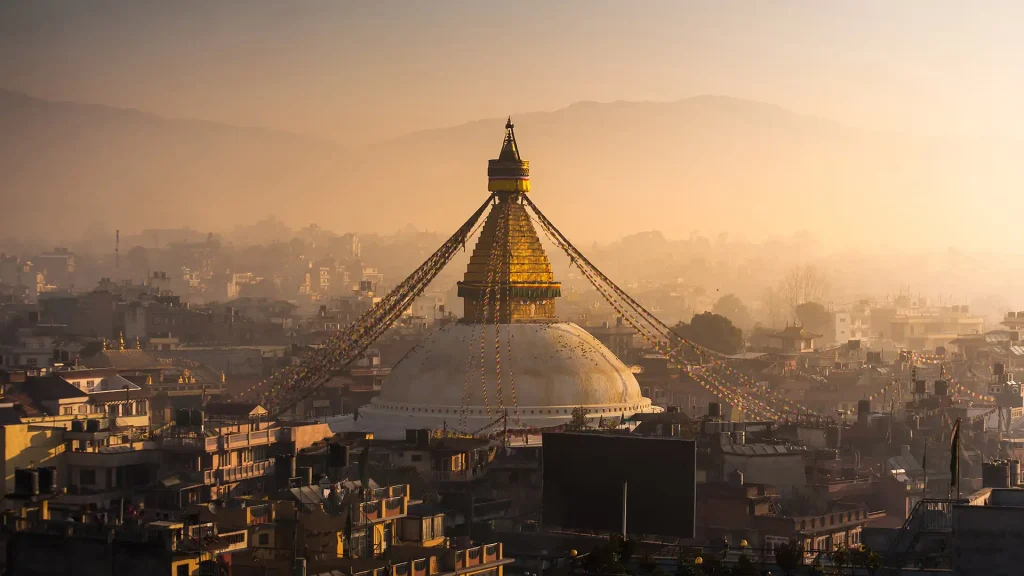
🕊️ 6. Boudhanath Stupa
This massive mandala-shaped stupa is one of the largest in Asia and a spiritual hub for Tibetan Buddhists.
Highlights:
- Watch monks and pilgrims circle the stupa
- Tibetan monasteries nearby
- Peaceful ambiance with prayer flags fluttering
📍 Location: Northeast Kathmandu
⏳ Time Required: 1–2 hours
🛕 7. Changu Narayan Temple
The oldest Hindu temple in Nepal, Changu Narayan is dedicated to Lord Vishnu and sits on a hilltop near Bhaktapur.
Highlights:
- 5th-century stone inscriptions
- Double-roofed pagoda architecture
- Traditional Newari village nearby
📍 Location: Changu, near Bhaktapur
⏳ Time Required: 1–1.5 hours
✨ Why Visit Kathmandu Valley’s Heritage Sites?
- 🏛️ Architectural Brilliance: Newari craftsmanship is globally admired.
- 🕉️ Spiritual Depth: Hindu and Buddhist traditions coexist harmoniously.
- 📸 Photographic Gems: From intricate carvings to golden spires.
- 🗿 Cultural Insight: Living heritage still used for rituals and festivals.
🔖 Tips for Visiting
- Buy a Heritage Pass if visiting multiple Durbar Squares
- Dress modestly, especially at religious sites
- Early mornings offer the best light and fewer crowds
- Learn a few Nepali words—it’s appreciated!
🧭 Final Thoughts on Heritage Sites of Kathmandu
The UNESCO World Heritage Sites of Kathmandu Valley are more than tourist attractions—they’re living monuments of spirituality, art, and resilience. Whether you’re tracing the footsteps of kings in Durbar Squares or spinning prayer wheels in ancient stupas, each site tells a story that has shaped Nepal for centuries.
❓ Frequently Asked Questions (FAQ)
1. How many UNESCO World Heritage Sites are there in Kathmandu Valley?
There are seven UNESCO World Heritage Sites in the Kathmandu Valley, collectively recognized under a single listing. These include three Durbar Squares (Kathmandu, Patan, Bhaktapur), two Buddhist stupas (Swayambhunath and Boudhanath), and two Hindu temples (Pashupatinath and Changu Narayan).
2. Which is the oldest UNESCO site in Kathmandu Valley?
Changu Narayan Temple is the oldest, dating back to the 4th century AD. It’s dedicated to Lord Vishnu and features ancient inscriptions and stone carvings that showcase early Nepali architecture.
3. What is the best time to visit the heritage sites in Kathmandu Valley?
The best time to visit is during the spring (March–May) or autumn (September–November), when the weather is pleasant, skies are clear, and festivals are often celebrated at these sites.
4. Do I need a ticket to enter the heritage sites?
Yes. Most UNESCO World Heritage Sites in Kathmandu Valley charge an entry fee for foreign tourists. Locals and SAARC country nationals usually pay reduced rates. A Heritage Pass is available if you plan to visit multiple sites.
5. Are the heritage sites still in use today?
Yes, most of these sites are living heritage monuments. Temples like Pashupatinath and Swayambhunath are still used for daily worship and religious rituals. Durbar Squares also host festivals and cultural events.
6. Can I visit all seven sites in one day?
It’s possible but not recommended. Covering all seven sites in one day would be rushed. Ideally, plan over 2–3 days to fully explore and appreciate each site’s architecture, history, and ambiance.
7. Are the sites accessible for disabled travelers?
Accessibility varies. While some sites like Boudhanath have level ground and ramps, others like Swayambhunath require climbing steep stairs. It’s best to check each location or visit with assistance.
8. Which UNESCO site is best for photography?
Each site offers unique photography opportunities, but Boudhanath Stupa, with its massive dome and fluttering prayer flags, is especially photogenic—particularly at sunrise or sunset.
9. What are the architectural styles found in these sites?
The heritage sites feature Newari pagoda style, Shikhara style, and Stupa architecture, blending Hindu and Buddhist influences. Intricate woodwork, stone sculptures, and golden rooftops are common.
10. Are guided tours available at these sites?
Yes. You can hire local guides at each site or book a Kathmandu Valley Heritage Tour through travel agencies, which often includes transportation, historical context, and cultural insights.