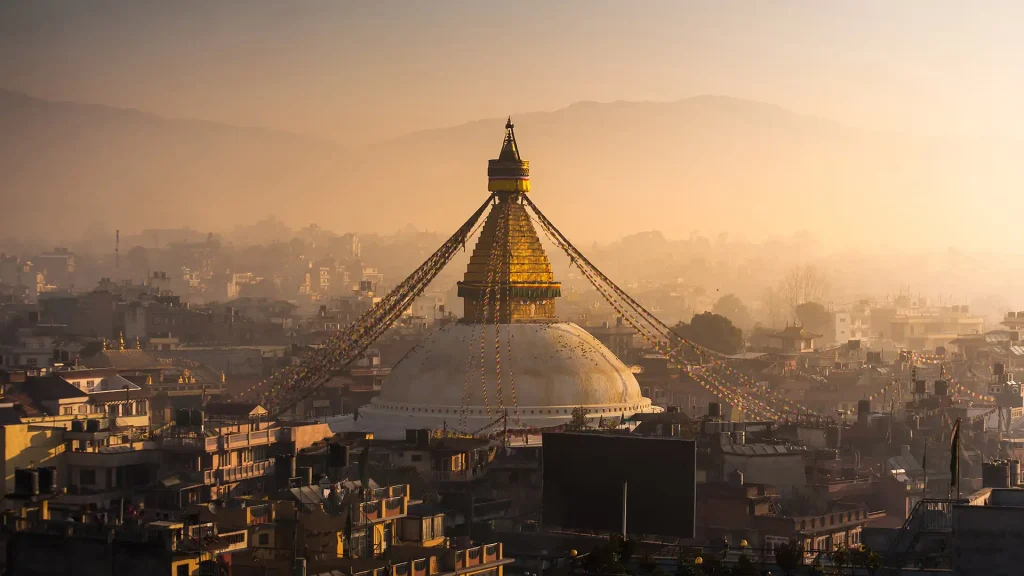


Introduction: Photography Guide for Capturing the Himalayas
The Himalayas are the world’s most iconic mountain range, and photographing them is a dream for many travelers. This photography guide for capturing the Himalayas will give you everything you need — from the right gear and camera settings to the best shooting locations and times of year.
Whether you’re trekking to Everest Base Camp, exploring Annapurna, or visiting Langtang, these photography tips will help you create images that do justice to the majesty of the mountains.
Table of Contents
Essential Gear: Photography Guide for Capturing the Himalayas
When planning photography for capturing the Himalayas, gear matters. Lightweight, weather-resistant equipment makes the difference on long treks.
- Camera: A DSLR or mirrorless with good low-light performance.
- Lenses: Wide-angle (for landscapes), zoom (for peaks), and prime (for portraits).
- Tripod: Lightweight but sturdy for sunrise/sunset shots.
- Filters: Polarizers to cut haze and ND filters for long exposure.
- Drone (optional): For aerial perspectives, but check local regulations.
🔗 Related: Most Instagrammable Spots in Nepal
Best Locations: Where to Capture the Himalayas

Some of the world’s most photogenic spots are in Nepal. For this photography guide for capturing the Himalayas, here are top picks:
- Everest Base Camp – For the world’s tallest peak.
- Gokyo Ri – Stunning views of Everest, Lhotse, and Cho Oyu.
- Annapurna Base Camp – Surrounded by towering peaks.
- Poon Hill – Ideal for sunrise photography.
- Langtang Valley – Accessible yet breathtaking.
- Nagarkot – Himalayan sunrise close to Kathmandu.
Best Time of Day: Photography Guide for Capturing the Himalayas
Lighting is everything. The best photography for capturing the Himalayas usually happens during:
- Sunrise: Soft golden hues and less haze.
- Sunset: Dramatic colors and shadows.
- Blue Hour: Perfect for moody, atmospheric shots.
Avoid midday when harsh sunlight creates flat, washed-out photos.
Camera Settings for Himalayan Photography
In this photography guide for capturing the Himalayas, let’s break down the key settings:
- Aperture: f/8–f/11 for landscapes.
- Shutter Speed: Fast for handheld, slower with tripod.
- ISO: Keep it low (100–400) to reduce noise.
- Focus: Use manual for precise mountain edges.
- RAW Format: Always shoot RAW for flexibility in editing.
Seasonal Considerations: Capturing the Himalayas in Different Months
The Himalayas look different depending on when you visit.
- Spring (March–May): Clear skies, rhododendron blooms.
- Autumn (September–November): Best visibility, vibrant colors.
- Winter (December–February): Snowy peaks but colder treks.
- Monsoon (June–August): Challenging for photography due to clouds and rain.
🔗 Check our guide: Nepal in Spring: What to Expect
Storytelling Through Himalayan Photography
A photography guide for capturing the Himalayas isn’t just about landscapes. Include:
- Portraits of locals in traditional dress.
- Daily life in mountain villages.
- Yaks, prayer flags, and monasteries for cultural context.
Pro Tips: Photography Guide for Capturing the Himalayas
- Pack extra batteries – cold drains them fast.
- Use a microfiber cloth to wipe dust and snow.
- Respect cultural sensitivity when photographing locals.
- Carry a lightweight rain cover for your gear.
- Don’t forget to put down the camera and enjoy the view.
🔗 Also read: Is Nepal Safe?
📌 Final Thoughts: Photography Guide for Capturing the Himalayas

This photography guide for capturing the Himalayas shows that with the right preparation, gear, and mindset, anyone can return home with unforgettable photos. From sunrise over Everest to the peaceful valleys of Annapurna, each shot will tell a story of Nepal’s breathtaking beauty.
So charge your batteries, pack your lenses, and get ready to capture the Himalayas like a pro.
Frequently Asked Questions (FAQs)
What is the best time of year to photograph the Himalayas?
The best time mentioned in this photography guide for capturing the Himalayas is during spring (March–May) and autumn (September–November). These seasons provide the clearest skies, vibrant landscapes, and perfect lighting for photography.
What camera settings should I use in the Himalayas?
According to this photography guide for capturing the Himalayas, use an aperture between f/8–f/11 for landscapes, keep ISO low (100–400), and shoot in RAW format. A tripod helps for sunrise and sunset shots when slower shutter speeds are needed.
Do I need a professional camera to capture the Himalayas?
No, even smartphones can take good photos. However, as this photography guide for capturing the Himalayas suggests, a DSLR or mirrorless camera with wide-angle and zoom lenses offers more control and better results in low-light mountain conditions.
Which locations are best for capturing the Himalayas?
Some of the best locations listed in this photography guide for capturing the Himalayas include Everest Base Camp, Annapurna Base Camp, Poon Hill, Gokyo Ri, Langtang Valley, and Nagarkot. Each offers unique perspectives and scenery.
How can I keep my camera safe while trekking in the Himalayas?
This photography guide for capturing the Himalayas recommends using a weatherproof camera bag, carrying extra batteries (cold drains them quickly), and using microfiber cloths for dust and snow. Always pack a rain cover for sudden weather changes.
What lens is best for capturing the Himalayas?
As highlighted in this photography guide for capturing the Himalayas, a wide-angle lens (16–35mm) is best for landscapes, while a telephoto lens (70–200mm) helps capture distant peaks. A prime lens can also be useful for portraits of locals and cultural elements.
Can drones be used for photographing the Himalayas?
Yes, drones can produce stunning aerial views, but this photography guide for capturing the Himalayas notes that drone use is regulated in Nepal. You’ll need permission from the Civil Aviation Authority of Nepal (CAAN) to fly in most areas.
How do I deal with altitude when photographing the Himalayas?
Altitude sickness can affect photographers too. This photography guide for capturing the Himalayas suggests ascending gradually, staying hydrated, and taking breaks to avoid overexertion while carrying heavy camera gear.
What editing style works best for Himalayan photography?
In this photography guide for capturing the Himalayas, editing tips include enhancing contrast to highlight snow peaks, adjusting white balance for sunrise/sunset tones, and reducing haze in post-processing for clearer mountain shots.
Do I need permits for photography in the Himalayas?
Yes. Along with trekking permits like TIMS and conservation area permits, this photography guide for capturing the Himalayas recommends checking if you need special permits for drones or for photographing in restricted regions.
What non-landscape subjects should I capture in the Himalayas?
This photography guide for capturing the Himalayas encourages including portraits of locals, monasteries, prayer flags, yaks, and village life to create a fuller story rather than only shooting landscapes.
How do I protect my batteries and gear in the cold Himalayas?
According to this photography guide for capturing the Himalayas, keep batteries warm in your pockets, use silica gel packs to prevent moisture, and store gear in padded, waterproof bags to protect against snow and dust.