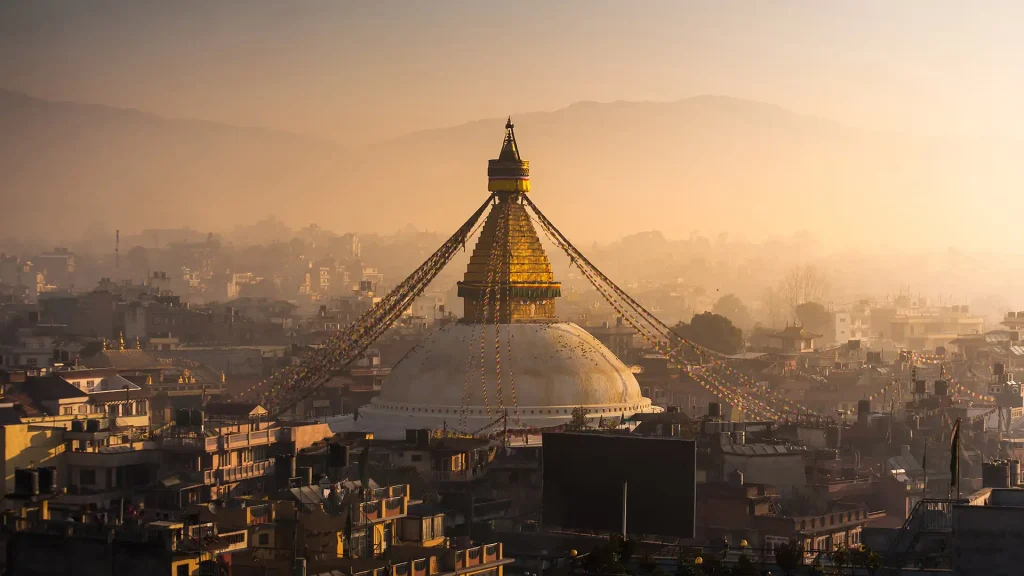


🏔️ Introduction
Planning your first adventure to Nepal? Get ready for jaw-dropping mountains, vibrant culture, and unforgettable memories. But before you go, it’s smart to prepare with these essential travel tips for first-time visitors to Nepal.
Whether you’re headed for the Himalayas, historic Kathmandu, or a jungle safari in Chitwan, these tips will help you navigate everything from altitude to etiquette.
Table of Contents
1. ✈️ Get Your Visa On Arrival
Most travelers can get a Tourist Visa on Arrival at Tribhuvan International Airport in Kathmandu. Bring a passport photo, fill out the electronic application (available at kiosks), and pay the fee in USD or local currency.
✅ Pro tip: Use the official visa portal before arrival to save time.
2. 🌤️ Best Time to Visit Nepal
The best months are March–May and September–November. Clear skies and mild temperatures make this perfect for trekking and sightseeing.
3. 🧳 Don’t Skip Travel Insurance
Healthcare in remote areas is limited, and evacuation costs can be high. Choose travel insurance that covers altitude sickness, trekking accidents, and emergency rescue.
4. ⛰️ Prepare for Altitude Sickness
Trekking above 3,000 meters? Be aware of Acute Mountain Sickness (AMS). Ascend gradually, stay hydrated, and carry Diamox if needed.
5. 🙏 Embrace the Local Culture
Nepalese people are incredibly welcoming. Learn about Buddhist and Hindu customs, take off shoes before entering temples, and greet others with a “Namaste.”
6. 🗣️ Learn a Few Nepali Phrases
Even a simple “Dhanyabaad” (Thank you) goes a long way. Locals will appreciate your effort and it enhances your cultural connection.
7. 🚱 Avoid Drinking Tap Water
Do not drink tap water. Carry a reusable bottle and use water purification tablets or a LifeStraw.
8. 🧕 Dress Respectfully at Temples
Cover your shoulders and knees when visiting religious sites. Men should avoid going shirtless, and women should wear modest clothing.
9. 💡 Be Prepared for Load Shedding
Though improved, power outages still occur. Carry a power bank, headlamp, and keep your devices charged.
10. 💵 Bring Cash (But Not Too Much)
Nepal is still a cash-based society, especially outside cities. Withdraw NPR at ATMs in Kathmandu or Pokhara, and carry small denominations.
11. 🗺️ Download Offline Maps
Internet isn’t always reliable. Use Google Maps offline or apps like Maps.me to navigate cities and trails.
12. 🍢 Be Cautious with Street Food
Street food is tasty but go where it’s busy and popular with locals. Avoid raw veggies and always check hygiene.
13. 📸 Respect Photography Rules
Always ask for permission before taking photos of people, temples, or rituals—especially in sacred or rural areas.
14. 🚌 Don’t Rely on Public Transport
Minibuses and microbuses can be confusing. Use ride-hailing apps like Pathao or hire a private taxi for convenience.
15. 🧮 Negotiate Prices Politely
Bargaining is part of the culture, especially in souvenir shops and markets. Smile, be respectful, and enjoy the process.
16. 🥾 Learn the Trekking Permit Process
You’ll need TIMS cards and conservation area permits for most treks. Register through the Nepal Tourism Board or via your trekking agency.
17. 📶 Use Local SIM Cards
Buy a Ncell or NTC SIM card for cheap data and reliable mobile coverage. Bring a passport-sized photo and ID.
18. 🧡 Support Local Businesses
Eat at local cafes, buy handmade crafts, and book with Nepali-run agencies. It benefits communities directly and deepens your experience.
19. 🚽 Don’t Expect Western Toilets Everywhere
In remote areas, expect squat toilets. Always carry toilet paper and hand sanitizer.
20. 📅 Be Flexible with Your Plans
Nepal runs on “Nepali time.” Traffic, weather, and local events can cause delays—embrace the slower pace and stay flexible.
21. 🔋 Always Have a Backup Battery
Whether you’re trekking or navigating Kathmandu, a power bank is your best friend. Don’t leave for the day without one.

Tourist after learning essential travel tips for first-time visitors to Nepal
🧳 Final Thoughts
Nepal is a magical blend of adventure, culture, and spirituality—but it’s also a land of contrasts. With these essential travel tips for first-time visitors to Nepal, you’ll feel prepared, respectful, and ready to enjoy everything from chaotic bazaars to quiet monasteries.
Just remember to stay open, stay flexible, and let Nepal surprise you.
❓ Frequently Asked Questions (FAQ)
1. Is Nepal safe for first-time travelers?
Yes, Nepal is generally safe for tourists. However, like any destination, it’s important to stay alert in crowded areas, avoid unlicensed taxis, and secure your valuables. Trekking in groups and registering your itinerary is also recommended.
2. Do I need a visa to enter Nepal?
Yes, most travelers need a Tourist Visa, which can be obtained on arrival at Tribhuvan International Airport or online in advance. Bring a passport-sized photo and valid passport.
3. What should I avoid drinking in Nepal?
Avoid tap water in Nepal. Always drink bottled, boiled, or purified water. Carry a refillable bottle with a filter or purification tablets for safe hydration.
4. What are some cultural dos and don’ts in Nepal?
Do: Use “Namaste” to greet people, remove shoes before entering homes/temples, and dress modestly.
Don’t: Point your feet at religious objects or touch someone’s head, as both are considered disrespectful.
5. Is it okay to eat street food in Nepal?
Yes, but choose busy vendors with high turnover. Avoid raw vegetables and ensure food is freshly cooked. Bring hand sanitizer and medication for mild stomach issues—just in case.
6. Do I need travel insurance for Nepal?
Absolutely. Travel insurance is strongly recommended, especially if you plan to trek or visit high-altitude areas. Ensure your policy covers emergency evacuation and altitude-related illnesses.
7. Are credit cards widely accepted in Nepal?
Credit cards are accepted in major hotels, restaurants, and shops in Kathmandu and Pokhara. However, cash is king in rural areas and smaller establishments. Carry small denominations in Nepali Rupees.
8. What apps should I download before visiting Nepal?
Useful apps include:
Maps.me or Google Maps (offline) for navigation
Pathao or InDriver for transportation
XE Currency for exchange rates
Google Translate for language help