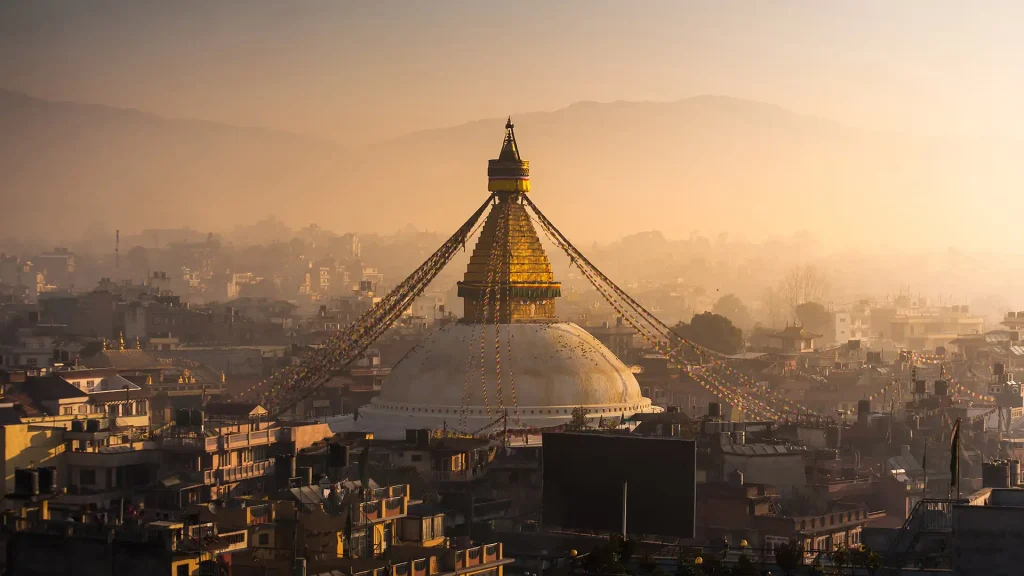


In a world that feels increasingly loud and overwhelming, it’s no surprise that spiritual travelers, yogis, and wellness seekers are heading to quieter places to reset. That’s why Nepal is the ultimate destination for meditation retreats—a sacred landscape where silence, nature, and spiritual energy converge.
From the Himalayan foothills to ancient monasteries, Nepal offers life-transforming experiences for those looking to dive deep into mindfulness, silence, and self-discovery.
Table of Contents
🪷 1. Birthplace of Buddha and the Roots of Mindfulness
Did you know that Lord Buddha was born in Lumbini, Nepal? This historical and spiritual connection makes Nepal not just another destination but a birthplace of mindful practice.
Lumbini remains a pilgrimage site for Buddhists worldwide, offering retreats, walking meditation paths, and teachings rooted in Vipassana and Zen traditions.
🌄 2. Breathtaking Natural Settings
You can’t talk about why Nepal is the ultimate destination for meditation retreats without mentioning the Himalayas. Snow-capped peaks, forest trails, and river valleys create a naturally meditative atmosphere.
Retreat centers in Pokhara, Nagarkot, and the Annapurna region often incorporate sunrise meditations, nature walks, and mountain silence into their programs.
🕉️ 3. Authentic Monasteries and Spiritual Centers
Nepal is filled with centuries-old monasteries and ashrams where ancient meditation practices are preserved and taught. Whether you’re a beginner or an advanced practitioner, you’ll find:
- Kopan Monastery (Kathmandu) – Offering 10-day and month-long retreats
- Namo Buddha Monastery – Nestled in the hills for deeper silence
- Vipassana Centers – Donation-based 10-day silent retreats across Nepal
📌 Bonus: Many retreats include yoga, chanting, and Buddhist philosophy classes.
💰 4. Affordable and Accessible Retreats
Compared to similar retreats in Europe, Bali, or the U.S., Nepal offers world-class meditation experiences at a fraction of the cost. A typical 10-day silent retreat costs between $100 to $300 USD, including meals and accommodation.
Visa-on-arrival, budget flights to Kathmandu, and low daily expenses make Nepal accessible for both short visits and long-term stays.
🏔️ 5. Silence and Solitude in the Himalayas
The Himalayas are more than a backdrop—they’re a sanctuary. Remote areas like Pharping, Tsum Valley, or Gosaikunda offer deep solitude, ideal for:
- Silent retreats
- Digital detox experiences
- Long-term personal meditation sabbaticals
Many centers even offer hermitages or caves for advanced practitioners seeking deep inner work.
👨🏫 6. Guided by Experienced Monks and Teachers
Unlike commercialized retreats, Nepal offers teachings by authentic Buddhist monks, Himalayan yogis, and renowned international teachers who base themselves here.
You’ll get access to authentic teachings, Dharma talks, and Q&A sessions grounded in lineage-based traditions.
🌸 7. A Culture That Embraces Inner Peace
Nepali society has a deep respect for spiritual seekers. From temple bells ringing at dawn to daily pujas and rituals, the entire cultural rhythm is conducive to mindfulness and reflection.
Locals are welcoming, and many will go out of their way to support your inner journey—be it through a warm cup of chiya or shared prayer.
📍 Where to Find Meditation Retreats in Nepal
| Region | Notable Retreats | Experience Level |
|---|---|---|
| Kathmandu | Kopan Monastery, Vipassana Center, Neydo | Beginner–Advanced |
| Pokhara | Purna Yoga, Sadhana Yoga Retreat | Beginner–Intermediate |
| Lumbini | Dhamma Janani Vipassana Center | All levels |
| Tsum Valley | Personal Retreats in silence | Advanced |

Meditation retreat in Nepal’s Himalayas with serene view – showing why Nepal is the ultimate destination for meditation retreats
🧘 Final Thoughts
From the chants echoing in ancient monasteries to the silent stillness of snow-capped mountains, it’s clear that Nepal is the ultimate destination for meditation retreats. Whether you’re looking to begin your spiritual journey or go deeper than ever before, Nepal’s landscapes, people, and spiritual richness are calling.
If your soul is seeking stillness, you now know where to go.
❓ Frequently Asked Questions (FAQ)
1. Why is Nepal considered ideal for meditation retreats?
Nepal offers a unique combination of spiritual heritage, peaceful Himalayan landscapes, and authentic Buddhist traditions. As the birthplace of Buddha and home to centuries-old monasteries, it provides the ideal setting for mindfulness, silence, and deep inner reflection.
2. Are meditation retreats in Nepal suitable for beginners?
Yes, Nepal offers a wide variety of retreats for all levels. Centers like Kopan Monastery and Vipassana centers cater to beginners with structured programs, while more advanced practitioners can explore silent and solo retreats in the Himalayas.
3. How much do meditation retreats in Nepal cost?
Most 10-day retreats in Nepal are very affordable, ranging from $100 to $300 USD, including accommodation and meals. Vipassana retreats are usually donation-based, making them accessible for all budgets.
4. Do I need to be religious to attend a retreat in Nepal?
No. Meditation retreats in Nepal are open to people of all backgrounds and beliefs. While some retreats follow Buddhist or yogic traditions, the focus is often on mindfulness, silence, and personal growth, not religion.
5. What should I bring for a meditation retreat in Nepal?
You should bring comfortable clothing, a journal, a shawl or blanket, and personal essentials. Most centers provide bedding and meals, but it’s good to check individual retreat requirements in advance.
6. Can I combine trekking and meditation in Nepal?
Absolutely! Many travelers combine a trekking experience with a few days of meditation retreat in Pokhara, Kathmandu, or even during the trek itself. Some retreat centers offer yoga and meditation packages in scenic trekking regions.
7. Are retreats in Nepal conducted in English?
Yes, most international retreat centers and monasteries in Nepal offer programs in English. Teachers and staff are often multilingual and cater to a global audience.