

🏔️ Introduction: Why You Need a Cultural Guide to Nepal
Before packing your bags for the Himalayas, it’s essential to read a cultural guide to Nepal. While breathtaking mountains and ancient temples draw millions of visitors, Nepal’s real treasure lies in its traditions, rituals, and way of life.
Understanding local customs isn’t just about being polite — it helps you connect with people on a deeper level. This blog shares the traditions every traveler should know so you can experience Nepal with respect and authenticity.
Table of Contents
🙏 1. Greetings: Namaste Comes from the Heart

The most common greeting in Nepal is “Namaste”, said with palms pressed together at chest level. Unlike a handshake, Namaste conveys respect and warmth. As a traveler, using Namaste will immediately win you smiles and appreciation.
🧘 2. Respecting Temples and Monasteries
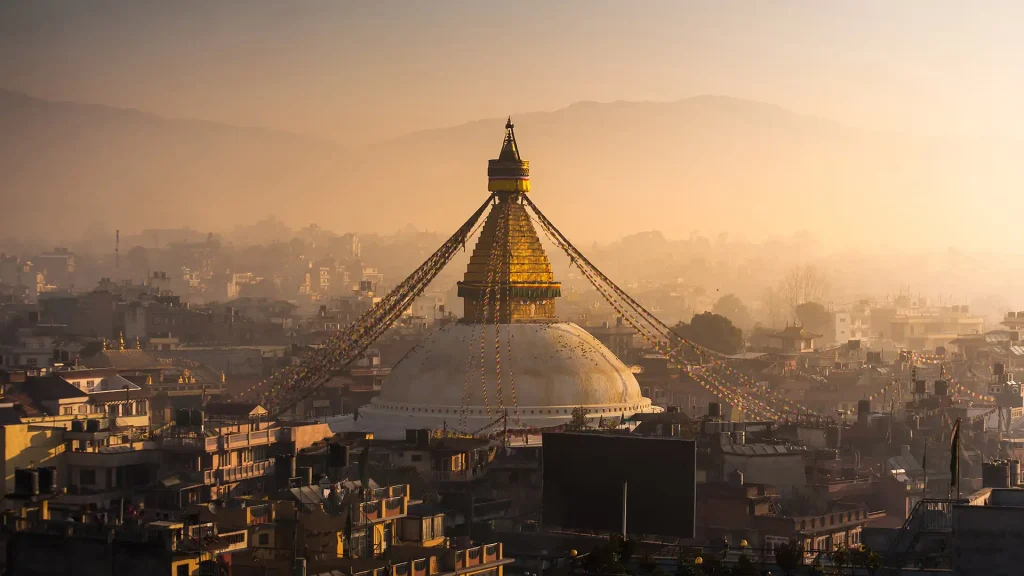
In this cultural guide to Nepal, one key lesson is temple etiquette:
- Remove shoes before entering sacred spaces
- Dress modestly (cover shoulders and knees)
- Walk clockwise around stupas and shrines
📌 Related: Most Instagrammable Spots in Nepal — many are religious sites, so cultural awareness matters.
🍲 3. Eating Customs: Right Hand Only
Meals in Nepal are often eaten with the right hand. The left hand is considered unclean, so avoid using it to pass food or money. If you’re uncomfortable, don’t worry — spoons and forks are widely available in restaurants.
👣 4. Shoes Off Indoors
Another important point in this cultural guide to Nepal: always remove shoes before entering someone’s home or certain shops. Keeping shoes on indoors is seen as disrespectful.
🎉 5. Festivals: A Living Tradition

Nepal is famous for its colorful festivals, each tied deeply to culture and religion. As a traveler, you may encounter:
- Dashain – Celebrating the goddess Durga
- Tihar – Festival of lights, honoring animals like crows, dogs, and cows
- Holi – Festival of colors in spring
These festivals make Nepal lively and welcoming — but remember to participate respectfully.
💍 6. Social Hierarchy and Respect for Elders
In Nepali culture, respect for elders is deeply ingrained. Travelers should show politeness when interacting with older people — whether offering them a seat or addressing them with courtesy.
🐄 7. Sacred Cows and Street Etiquette
Cows are considered holy in Nepal. You’ll often see them wandering the streets freely. Never harm or disrespect cows — they are symbols of prosperity and motherhood.
🛕 8. Cultural Etiquette at Heritage Sites

UNESCO World Heritage sites like Pashupatinath, Bhaktapur, and Patan Durbar Square attract thousands of visitors daily. Always follow signs, avoid touching sacred idols, and be mindful when photographing locals during rituals.
📌 Related: Everest Base Camp Trek: A Complete Guide — culture and nature intertwine on trekking journeys.
🎁 9. Gifting Traditions
When invited to a local home, bringing a small gift such as fruit or sweets is appreciated. Avoid giving alcohol unless you’re certain the host drinks, as many households are religiously conservative.
💬 10. Language and Politeness
Learning a few Nepali words goes a long way:
- Dhanyabad = Thank you
- Hajur = Yes/Respectful acknowledgment
- Ramro cha = It’s good
Locals appreciate the effort, and it often leads to warmer interactions.
🧳 Travel Tips: Blending In with Nepali Traditions
- Dress conservatively in rural areas
- Avoid public displays of affection
- Always ask before photographing people
- Be patient — Nepal moves at a slower pace
✅ Final Thoughts: A Cultural Guide to Nepal
Respecting traditions makes your journey more rewarding. From saying Namaste to joining local festivals, following this cultural guide to Nepal ensures you experience the country with gratitude and harmony.
So next time you visit Nepal, don’t just explore the landscapes — connect with its living culture.
📌 Also read: Best Time to Visit Nepal in 2025 to plan your culturally rich adventure.
🙋 Frequently Asked Questions (FAQs)
❓ What is the most important tradition in Nepal that travelers should know?
The most important tradition is the greeting “Namaste”, performed with palms together and a slight bow. It symbolizes respect and is used everywhere — from temples to daily interactions.
❓ How should I behave when visiting temples in Nepal?
When visiting temples, remove your shoes, dress modestly, and walk clockwise around stupas or shrines. Photography may be restricted in sacred areas, so always ask permission first.
❓ Is it acceptable to eat with my left hand in Nepal?
No, in Nepali culture the left hand is considered unclean. Always use your right hand for eating, passing food, or giving money.
❓ What festivals can travelers experience in Nepal?
Travelers can experience vibrant festivals such as Dashain, Tihar (Festival of Lights), Holi (Festival of Colors), and Buddha Jayanti. Each offers unique cultural insights and celebrations.
❓ Do I need to bring gifts when visiting a local Nepali home?
While not mandatory, bringing small gifts such as fruit, sweets, or tea is a thoughtful gesture. Avoid giving alcohol unless you are sure your hosts drink it.
❓ Are cows really sacred in Nepal?
Yes, cows are considered holy in Nepal and are a national symbol. You’ll often see them roaming freely, especially in cities. Travelers should never harm or disrespect them.
❓ How can I show respect to Nepali elders?
Show politeness by addressing elders respectfully, offering your seat, and avoiding casual gestures like touching their heads. Respect for elders is deeply rooted in Nepali society.